

Hey there! As a supplier of Robot Battery Chargers, I've seen firsthand how important it is to optimize the charging process of robot batteries. In this blog, I'll share some tips and tricks on how you can get the most out of your charger and keep your robot running smoothly.
Understanding Your Robot Battery
Before we dive into the charging process, it's crucial to understand the type of battery your robot uses. Different batteries have different charging requirements, and using the wrong charger can damage the battery or reduce its lifespan.
Most robots use lithium-ion (Li-ion) or lead-acid batteries. Li-ion batteries are popular because they're lightweight, have a high energy density, and can be recharged quickly. Lead-acid batteries, on the other hand, are heavier but are more affordable and can handle high discharge rates.
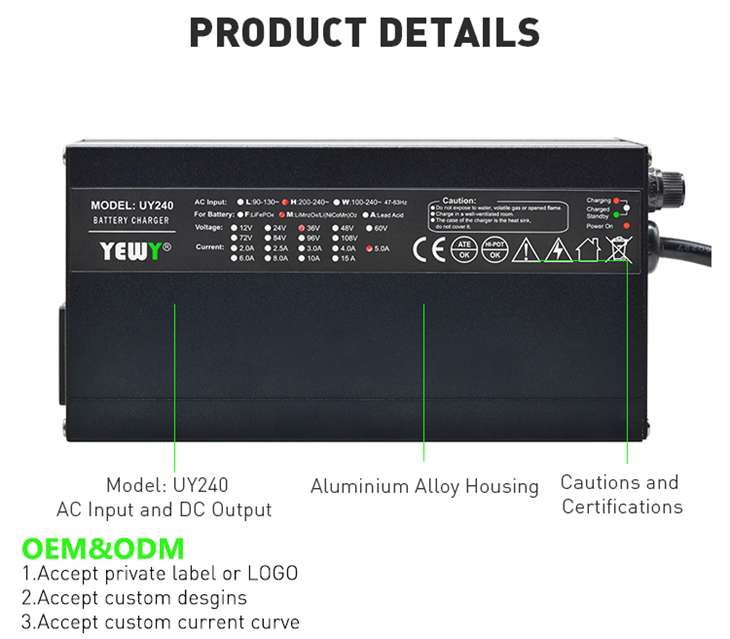
Once you know what type of battery your robot has, you can choose the right charger. For example, if you have a 24-volt lead-acid battery, you'll need a 24 Volt Lead Acid Battery Charger.
Choosing the Right Charger
When selecting a charger for your robot battery, there are a few things to consider. First, make sure the charger is compatible with your battery's voltage and capacity. Using a charger with the wrong voltage can overcharge or undercharge the battery, which can damage it.
Second, look for a charger with multiple charging modes. A good charger should have a constant current (CC) mode for the initial charging phase and a constant voltage (CV) mode for the final charging phase. This helps to ensure that the battery is charged safely and efficiently.
Third, consider the charger's charging speed. Some chargers can charge your battery faster than others, but faster charging can also generate more heat, which can reduce the battery's lifespan. It's a good idea to find a balance between charging speed and battery health.
Optimizing the Charging Process
Now that you have the right charger, it's time to optimize the charging process. Here are some tips to help you do that:
1. Charge in a Cool Environment
Heat is the enemy of batteries. When a battery gets too hot, it can degrade faster and lose its capacity. That's why it's important to charge your robot battery in a cool environment. Avoid charging the battery in direct sunlight or near a heat source.
2. Don't Overcharge the Battery
Overcharging a battery can cause it to overheat, which can damage the battery and reduce its lifespan. Most modern chargers have built-in overcharge protection, but it's still a good idea to monitor the charging process and unplug the charger once the battery is fully charged.
3. Use a Smart Charger
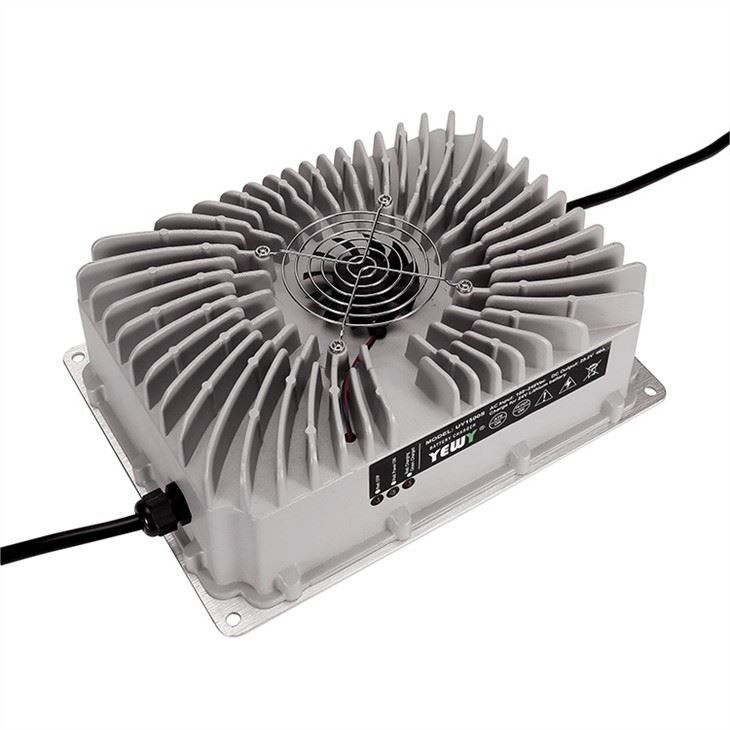
A smart charger can automatically adjust the charging current and voltage based on the battery's state of charge. This helps to ensure that the battery is charged safely and efficiently. Some smart chargers also have features like temperature compensation, which can adjust the charging process based on the ambient temperature.
4. Charge Regularly
It's a good idea to charge your robot battery regularly, even if it's not fully discharged. This helps to keep the battery in good condition and prevent it from developing a memory effect. However, don't overcharge the battery, as this can still damage it.
5. Follow the Manufacturer's Instructions
Finally, make sure to follow the manufacturer's instructions for charging your robot battery. Different batteries and chargers may have different charging requirements, so it's important to read the manual carefully and follow the recommended charging procedures.
Special Considerations for Different Types of Robots
Different types of robots may have different charging requirements. Here are some special considerations for a few common types of robots:
Electric Motorbike Scooters
If you have an electric motorbike scooter, you'll need a Electric Motorbike Scooter Battery Charger. These chargers are designed to handle the high power requirements of electric scooters. Make sure to charge your scooter's battery in a well-ventilated area, as the charging process can generate heat.
Electric Stackers
Electric stackers are used in warehouses and other industrial settings. They typically use large lead-acid batteries that require a high-capacity charger. A Electric Stacker Battery Charger is designed to meet the specific needs of electric stackers. When charging an electric stacker battery, make sure to follow the manufacturer's instructions carefully.
Conclusion
Optimizing the charging process of your robot battery is essential for keeping your robot running smoothly and extending the battery's lifespan. By understanding your battery, choosing the right charger, and following the tips I've shared in this blog, you can ensure that your robot battery is charged safely and efficiently.
If you're in the market for a robot battery charger, I'd love to help. We offer a wide range of high-quality chargers that are designed to meet the needs of different types of robots. Whether you need a 24-volt lead-acid battery charger, an electric motorbike scooter battery charger, or an electric stacker battery charger, we've got you covered.
Feel free to reach out if you have any questions or if you'd like to discuss your specific charging needs. We're here to help you find the best solution for your robot battery charging requirements.
References
- Battery University. "How to Charge Lithium-ion Batteries."
- Wikipedia. "Lead–acid battery."
- Various manufacturer's manuals for robot batteries and chargers.