

As a seasoned supplier of battery chargers, I've witnessed firsthand the intrigue and questions that surround the seemingly simple yet fascinating indicator lights on these devices. In this blog, I'll delve into the science behind how a battery charger's indicator light works, shedding light on the technology that keeps us informed about our batteries' charging status.
The Basics of Battery Charging
Before we dive into the indicator lights, let's briefly understand the battery charging process. A battery charger is designed to supply electrical energy to a battery, replenishing its charge. The charger converts the alternating current (AC) from the power outlet into direct current (DC), which is suitable for charging batteries. Different types of batteries, such as lead - acid, lithium - ion, and nickel - metal hydride, require specific charging algorithms and voltage levels.
Types of Indicator Lights
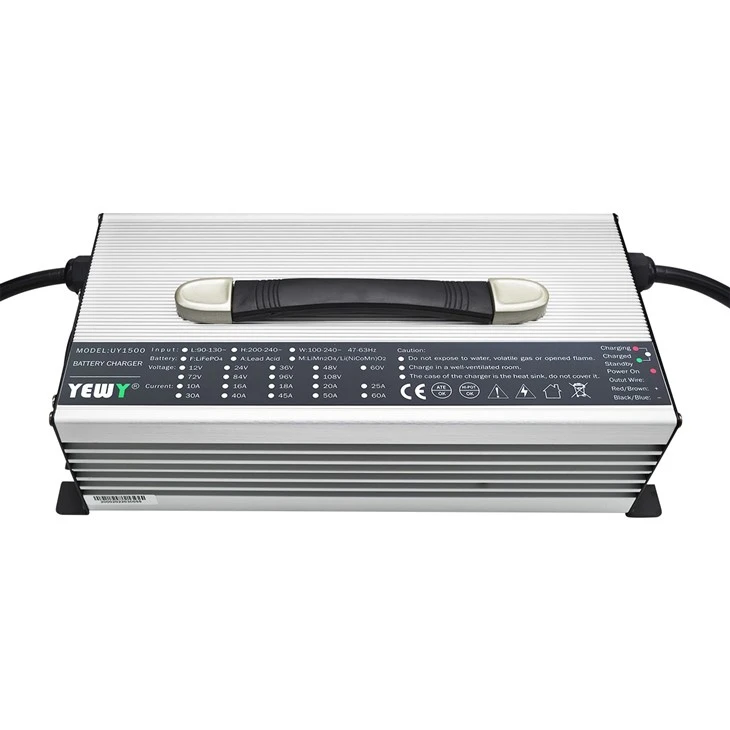
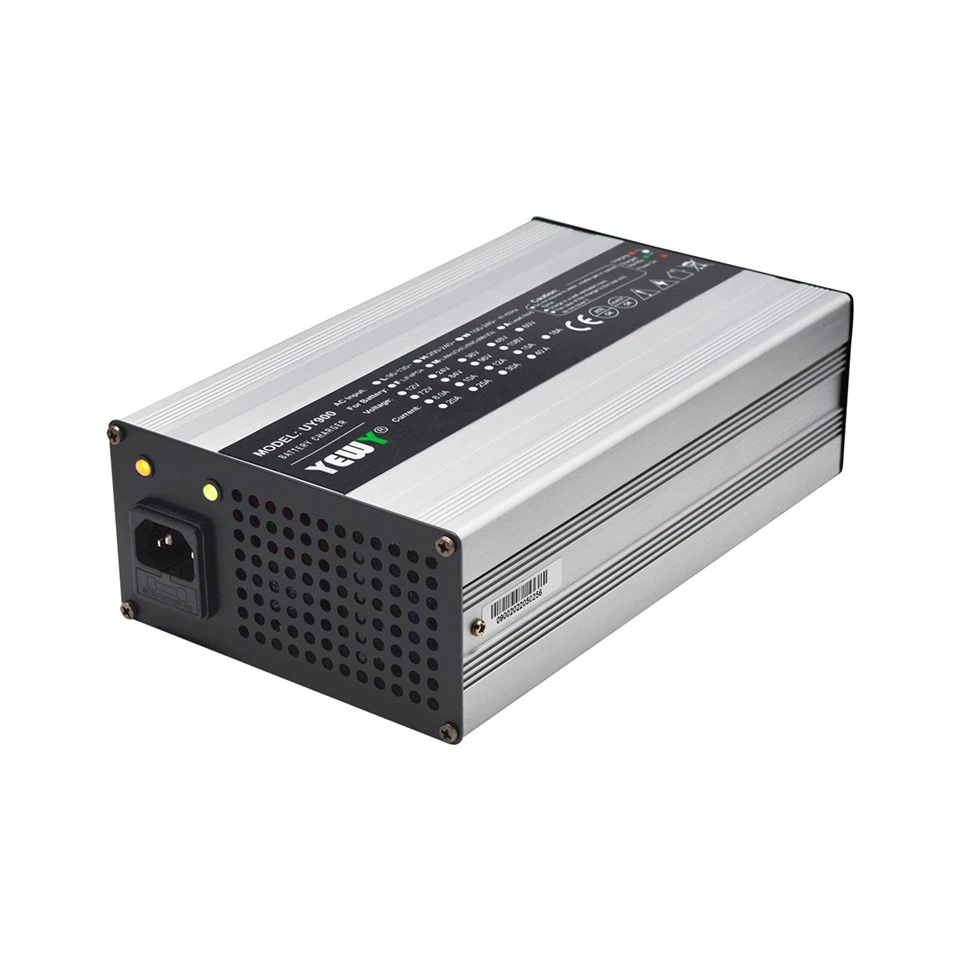
Most battery chargers come equipped with one or more indicator lights. These lights can be of different colors, typically including red, green, and sometimes yellow. Each color conveys a specific message about the charging process.
Red Light
The red light on a battery charger usually indicates that the battery is currently being charged. When the charger is connected to a depleted battery, the red light illuminates, signifying that the charger is actively supplying power to the battery. This is a crucial stage in the charging process, where the charger delivers a relatively high current to quickly replenish the battery's charge.
For example, in a 40 Amp Battery Charger, the red light will be on when it is first connected to a deeply discharged battery. The high - amp output allows for rapid charging, but it is closely monitored to prevent over - charging.
Green Light
The green light is a sign of completion. Once the battery has reached a fully charged state, the charger switches from the charging mode to a maintenance or trickle - charge mode. The green light then turns on, indicating that the battery is fully charged and that the charger is now providing a small amount of current to keep the battery at its optimal charge level.
In the case of a Lithium Battery Charger 48 Volt, the green light is especially important. Lithium batteries are sensitive to over - charging, and the charger's intelligent circuitry ensures that the battery is charged to the correct voltage and then maintained safely.
Yellow Light
Some chargers use a yellow light to indicate an intermediate state. It could mean that the battery is partially charged or that there is a problem with the charging process. For instance, if the battery has a low charge but is not completely depleted, the yellow light might come on to show that it is in the process of being charged but is not yet fully charged.
How the Indicator Lights are Controlled
The operation of the indicator lights is controlled by the charger's internal circuitry. This circuitry is designed to monitor several key parameters during the charging process, including voltage, current, and temperature.
Voltage Monitoring
Voltage is one of the most important parameters in battery charging. As the battery charges, its voltage increases. The charger's circuitry continuously measures the battery's voltage and compares it to pre - set levels. When the voltage reaches the fully charged level, the charger knows to switch from the charging mode to the maintenance mode, and the indicator light changes accordingly.
For example, a lead - acid battery typically has a fully charged voltage of around 12.6 - 12.8 volts for a 12 - volt battery. The charger's voltage sensor will detect when the battery reaches this level and trigger the change from the red to the green light.
Current Monitoring
Current monitoring is also crucial. During the initial charging phase, the charger supplies a high current to quickly charge the battery. As the battery approaches full charge, the current gradually decreases. The charger's circuitry monitors this current flow and uses it as an additional indicator of the battery's state of charge.
Temperature Monitoring
Temperature can have a significant impact on battery charging. High temperatures can cause the battery to degrade faster, while low temperatures can reduce the charging efficiency. The charger's internal temperature sensor monitors the battery's temperature and adjusts the charging process accordingly. If the temperature exceeds a safe limit, the charger may reduce the charging current or even stop charging altogether, and the indicator light may change to signal a problem.
The Role of Microcontrollers
In modern battery chargers, microcontrollers play a central role in controlling the indicator lights. A microcontroller is a small computer on a single integrated circuit that can execute complex algorithms. It receives input from the voltage, current, and temperature sensors and makes decisions based on pre - programmed instructions.
The microcontroller can adjust the charging parameters in real - time, ensuring that the battery is charged safely and efficiently. It also controls the indicator lights, providing accurate and timely information to the user about the battery's state of charge.
Advantages of Indicator Lights
Indicator lights on battery chargers offer several advantages. Firstly, they provide a simple and intuitive way for users to monitor the charging process. Even without technical knowledge, users can easily tell whether the battery is charging, fully charged, or if there is a problem.
Secondly, indicator lights help to protect the battery. By indicating when the battery is fully charged, they prevent over - charging, which can significantly reduce the battery's lifespan. This is especially important for expensive batteries like lithium - ion batteries.
Conclusion
The indicator lights on battery chargers are not just simple visual cues; they are the result of sophisticated technology that ensures safe and efficient battery charging. Whether you're using a Automatic Battery Charger for your car battery or a specialized charger for a lithium - ion battery, the indicator lights provide valuable information about the charging process.
If you're in the market for high - quality battery chargers with reliable indicator lights, we are here to assist you. Our range of chargers is designed with the latest technology to ensure safe and efficient charging for a variety of battery types. Contact us to discuss your specific requirements and start a procurement negotiation.
References
- Linden, D., & Reddy, T. B. (2002). Handbook of Batteries. McGraw - Hill.
- Koksbang, R., & Sørensen, P. B. (2011). Batteries and Fuel Cells for Future Automobiles. Springer.