

In the realm of battery charging technology, Lifepo4 4s chargers have emerged as a popular choice for a wide range of applications, from electric vehicles to renewable energy storage systems. As a trusted supplier of Lifepo4 4s chargers, I often encounter questions from customers regarding the waterproof capabilities of these chargers. This blog post aims to delve into the topic of whether Lifepo4 4s chargers are waterproof, exploring the factors that influence their water resistance and providing insights to help you make an informed decision when selecting a charger for your specific needs.
Understanding Lifepo4 4s Chargers
Before we discuss the waterproof aspect, let's briefly understand what a Lifepo4 4s charger is. Lifepo4, or lithium iron phosphate, is a type of lithium-ion battery known for its high energy density, long cycle life, and enhanced safety features compared to other lithium-ion chemistries. A 4s charger is designed to charge a battery pack composed of four lithium iron phosphate cells connected in series. This configuration typically results in a nominal voltage of around 14.4V, which is commonly used in various electronic devices and systems.
The Importance of Waterproofing
Water can pose a significant threat to electronic devices, including chargers. When water comes into contact with the internal components of a charger, it can cause short circuits, corrosion, and damage to the circuitry, leading to malfunction or even permanent failure. In applications where the charger may be exposed to moisture, such as outdoor installations, marine environments, or areas prone to spills, having a waterproof charger is crucial to ensure reliable and safe operation.
Are Lifepo4 4s Chargers Waterproof?
The answer to whether Lifepo4 4s chargers are waterproof is not a simple yes or no. It depends on several factors, including the design, construction, and intended use of the charger.
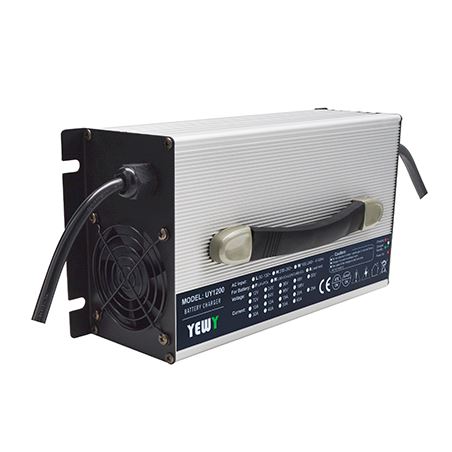

Design and Construction
Some Lifepo4 4s chargers are specifically designed to be waterproof or water-resistant. These chargers often feature a sealed enclosure made of materials such as plastic or metal that can prevent water from entering the internal components. Additionally, they may have gaskets or O-rings around the openings, such as the power input and output ports, to provide an extra layer of protection against water ingress.
On the other hand, not all Lifepo4 4s chargers are designed with waterproofing in mind. Some chargers may have a basic open-frame design, which means that the internal components are exposed and vulnerable to water damage. These chargers are typically intended for use in dry and indoor environments where there is no risk of water exposure.
IP Rating
The Ingress Protection (IP) rating is a standardized system used to indicate the level of protection provided by an electrical enclosure against the ingress of solid objects and water. The IP rating consists of two digits, with the first digit representing the protection against solid objects and the second digit representing the protection against water.
For example, an IP67-rated charger is considered highly waterproof. The "6" indicates complete protection against dust ingress, while the "7" means that the charger can be submerged in water up to a depth of 1 meter for up to 30 minutes without suffering any damage. Chargers with a lower IP rating, such as IP20, offer minimal protection against water and are only suitable for use in dry environments.
When selecting a Lifepo4 4s charger, it is important to check the IP rating to determine its waterproof capabilities. If you need a charger for outdoor or wet environments, look for a charger with a high IP rating, such as IP65 or higher.
Factors Affecting Waterproof Performance
Even if a charger is designed to be waterproof, its performance can be affected by several factors, including:
Quality of Sealing
The effectiveness of the sealing around the charger's enclosure is crucial for preventing water ingress. A poorly sealed charger may allow water to seep in through small gaps or cracks, compromising its waterproof capabilities. When purchasing a waterproof charger, make sure to choose a reputable brand that uses high-quality materials and manufacturing processes to ensure a tight seal.
Pressure and Depth
The pressure and depth of water can also affect the waterproof performance of a charger. Chargers that are designed to be submerged in water for extended periods or at greater depths may require additional reinforcement and sealing to withstand the increased pressure. If you need a charger for use in deep water or high-pressure environments, consult with the manufacturer to ensure that the charger is suitable for your specific requirements.
Maintenance and Care
Proper maintenance and care can also play a role in maintaining the waterproof performance of a charger. Regularly inspect the charger for any signs of damage or wear, such as cracks in the enclosure or loose seals. If you notice any issues, replace the damaged parts or have the charger repaired by a qualified technician. Additionally, make sure to clean the charger regularly to remove any dirt or debris that may accumulate on the surface and potentially compromise the waterproof seal.
Applications for Waterproof Lifepo4 4s Chargers
Waterproof Lifepo4 4s chargers are suitable for a variety of applications where the charger may be exposed to moisture. Some common applications include:
Outdoor Solar Power Systems
In outdoor solar power systems, the charger is often installed in a location where it may be exposed to rain, snow, or other forms of precipitation. A waterproof charger can ensure reliable charging of the battery pack, even in harsh weather conditions.
Marine Applications
On boats and other marine vessels, chargers are exposed to saltwater, humidity, and splashes. A waterproof charger can withstand these conditions and provide a safe and efficient charging solution for the vessel's battery system.
Electric Vehicles
In electric vehicles, the charger may be located in a wet or humid environment, such as the undercarriage or a charging station exposed to the elements. A waterproof charger can protect the internal components from water damage and ensure reliable charging performance.
Conclusion
In conclusion, whether a Lifepo4 4s charger is waterproof depends on its design, construction, and IP rating. While some chargers are specifically designed to be waterproof or water-resistant, others are not suitable for use in wet environments. When selecting a charger for your application, it is important to consider the level of water exposure and choose a charger with the appropriate waterproof capabilities.
As a supplier of Lifepo4 4s chargers, we offer a range of waterproof chargers with high IP ratings to meet the needs of various applications. Our chargers are designed and manufactured to the highest standards of quality and reliability, ensuring that you get a charger that can withstand the toughest conditions.
If you are interested in learning more about our Lifepo4 4s chargers or have any questions about waterproofing, please feel free to [initiate a discussion with us]. We are here to help you find the right charger for your specific requirements.
References
- Battery University: Understanding Lithium-Ion Batteries
- International Electrotechnical Commission (IEC): Ingress Protection (IP) Code
- Manufacturer's Specifications for Lifepo4 4s Chargers