

Hey there, fellow forklift enthusiasts! As a supplier of Forklift Battery Chargers, I often get asked about the charging sequence of a multi-battery forklift battery charger. It's a crucial topic, as getting the charging sequence right can significantly impact the performance and lifespan of your forklift batteries. So, let's dive right in and break it down.
First off, let's understand why the charging sequence matters. Forklifts with multiple batteries are common in industries where continuous operation is essential. These batteries are the lifeblood of the forklift, and properly charging them ensures that the forklift can operate efficiently without any unexpected downtime. A wrong charging sequence can lead to uneven charging, overcharging of some batteries, and undercharging of others. This not only shortens the battery life but also reduces the overall performance of the forklift.
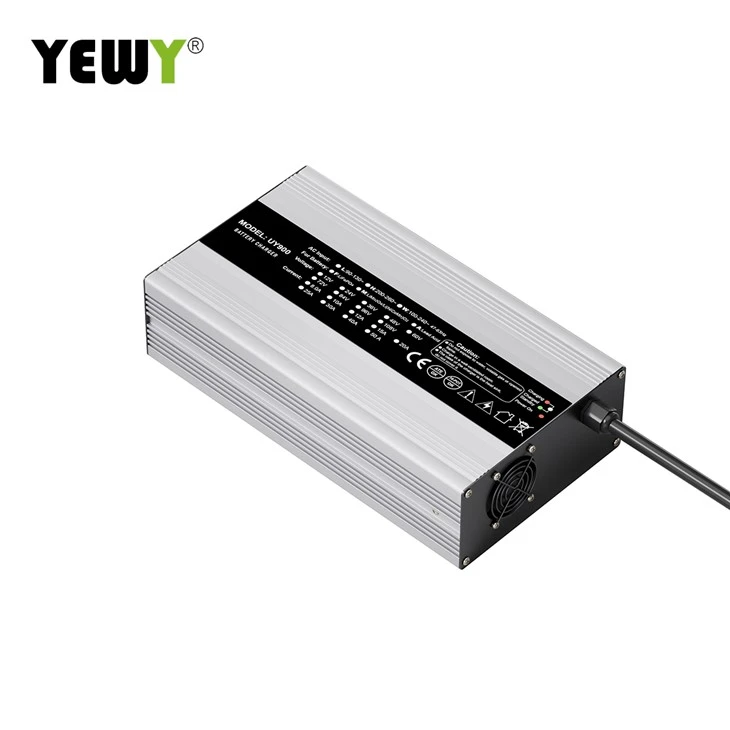

Now, let's talk about the typical charging sequence for a multi - battery forklift battery charger.
Step 1: Initial Inspection
Before you start charging the batteries, it's important to do a quick visual inspection. Check for any signs of damage, leakage, or corrosion on the battery terminals. Look for loose connections or any visible issues with the battery casing. If you notice any problems, it's best to address them before proceeding with the charging process. This simple step can prevent a lot of headaches down the road.
Step 2: Connecting the Batteries
Once you've confirmed that the batteries are in good condition, it's time to connect them to the charger. Usually, multi - battery chargers have a specific way of connecting the batteries. In most cases, you'll need to connect the batteries in series or parallel, depending on the charger's design and the requirements of the forklift's electrical system.
If you're connecting the batteries in series, you'll connect the positive terminal of one battery to the negative terminal of the next battery. This increases the overall voltage of the battery bank. On the other hand, when connecting the batteries in parallel, you connect all the positive terminals together and all the negative terminals together. This keeps the voltage the same but increases the overall capacity of the battery bank.
It's important to follow the manufacturer's instructions carefully when connecting the batteries. Making a mistake here can not only damage the batteries but also the charger itself.
Step 3: Setting the Charger Parameters
After connecting the batteries, you need to set the appropriate parameters on the charger. This includes the voltage, current, and charging mode. The voltage setting should match the total voltage of the battery bank you've connected. The current setting determines how fast the batteries will charge. A higher current will charge the batteries faster, but it can also generate more heat and potentially damage the batteries if not monitored closely.
Most modern multi - battery chargers come with different charging modes, such as bulk charge, absorption charge, and float charge. Let's take a closer look at these modes:
- Bulk Charge: This is the first stage of the charging process. In this stage, the charger delivers a high current to the batteries to quickly bring them up to around 80 - 90% of their capacity. It's like giving the batteries a fast boost.
- Absorption Charge: Once the batteries reach the end of the bulk charge stage, the charger switches to the absorption charge mode. In this mode, the charger reduces the current and maintains a constant voltage. This stage helps to fully charge the batteries and ensures that all the cells in the battery are evenly charged.
- Float Charge: After the absorption charge stage, the charger switches to the float charge mode. In this mode, the charger provides a low, constant voltage to the batteries to keep them fully charged without overcharging them. This is the stage where the batteries are maintained at their optimal state.
Step 4: Monitoring the Charging Process
Throughout the charging process, it's important to monitor the batteries and the charger. Keep an eye on the temperature of the batteries, as overheating can damage them. You can use a thermometer to check the temperature. Also, monitor the charging time and the charger's display to ensure that everything is working as expected.
If you notice any abnormal readings, such as a sudden increase in temperature or a significant deviation from the expected charging time, stop the charging process immediately and check for any issues.
Step 5: Disconnecting the Batteries
Once the batteries are fully charged, it's time to disconnect them from the charger. But before you do that, make sure to turn off the charger and wait for a few minutes to let the batteries cool down. Then, carefully disconnect the batteries in the reverse order of how you connected them.
It's important to handle the batteries with care during the disconnection process to avoid any short - circuits or damage to the terminals.
Now, I want to introduce you to some of the great products we offer as a forklift battery charger supplier. We have an amazing Automatic Battery Charger that can simplify the charging process for you. It's designed to automatically adjust the charging parameters based on the battery's condition and needs, making it super convenient and reliable.
If you have a forklift with a 24 - volt battery system, our 24 Volt Lead Acid Battery Charger is the perfect choice. It's specifically designed to provide a safe and efficient charge for 24 - volt lead - acid batteries, ensuring long - lasting performance.
And for those who are into electric motorbikes or scooters, we also offer an Electric Motorbike Scooter Battery Charger. It's a high - quality charger that can keep your electric vehicles powered up and ready to go.
If you're in the market for a forklift battery charger or any of our other products, we'd love to hear from you. Whether you have questions about the charging sequence, product specifications, or pricing, don't hesitate to reach out to us. We're here to help you find the best solution for your needs.
In conclusion, understanding the charging sequence of a multi - battery forklift battery charger is essential for maintaining the performance and lifespan of your forklift batteries. By following the steps I've outlined above and using high - quality chargers like the ones we offer, you can ensure that your forklift operates smoothly and efficiently for years to come.
References
- Battery Charging Handbook, various industry publications
- Manufacturer's manuals for forklift battery chargers and batteries