

When it comes to electric vehicle battery chargers, understanding the difference between single - phase and three - phase chargers is crucial. As a leading supplier of Electric Vehicle Battery Chargers, I've witnessed firsthand how these two types of chargers cater to different needs in the market.
Single - Phase Electric Vehicle Battery Chargers
Single - phase chargers are the most common type found in residential settings. They operate on a standard single - phase electrical supply, which is what most homes are equipped with. This simplicity makes them easily accessible and widely used for charging electric vehicles at home.
How They Work
A single - phase charger uses a single alternating current (AC) waveform. The electrical power is delivered through two wires: a live wire and a neutral wire. The charger converts the incoming AC power from the grid into direct current (DC) power, which is then used to charge the vehicle's battery. This conversion process is relatively straightforward, and the charger components are less complex compared to three - phase chargers.
Advantages
- Easy Installation: Since most homes already have a single - phase electrical system, installing a single - phase charger is a breeze. It doesn't require any major electrical upgrades, which saves both time and money for the vehicle owner.
- Cost - Effective: Single - phase chargers are generally more affordable than three - phase chargers. This makes them an attractive option for budget - conscious consumers who want to charge their electric vehicles at home.
- Suitable for Low - Power Requirements: For smaller electric vehicles such as electric bikes or scooters, single - phase chargers can provide sufficient power for a full charge overnight. You can find a variety of Electric Bike Battery Chargers that are single - phase and designed to meet the specific needs of these vehicles.
Disadvantages
- Slow Charging Speed: The main drawback of single - phase chargers is their relatively slow charging speed. They have a limited power output, typically ranging from 3.7 kW to 7.4 kW. This means that it can take several hours to fully charge an electric vehicle, especially larger ones with high - capacity batteries.
- Not Ideal for High - Power Demands: For commercial applications or fast - charging requirements, single - phase chargers fall short. They cannot deliver the high - power levels needed to quickly charge multiple vehicles simultaneously or to rapidly charge a large - battery electric vehicle.
Three - Phase Electric Vehicle Battery Chargers
Three - phase chargers, on the other hand, are commonly used in commercial and industrial settings, as well as in some high - end residential installations. They utilize a three - phase electrical supply, which provides a more powerful and stable source of electricity.
How They Work
A three - phase charger uses three AC waveforms that are 120 degrees out of phase with each other. This configuration allows for a higher power transfer compared to a single - phase system. The charger also converts the incoming three - phase AC power into DC power for the vehicle's battery. The additional phases provide a more continuous and efficient flow of electrical energy.
Advantages
- Fast Charging Speed: Three - phase chargers can deliver significantly higher power outputs, typically ranging from 22 kW to over 100 kW. This means that they can charge an electric vehicle much faster than single - phase chargers. For example, a high - power three - phase charger can charge an electric car from 0 to 80% in less than an hour, which is ideal for busy drivers or commercial fleets.
- Suitable for High - Power Applications: In commercial settings such as electric vehicle charging stations, parking lots, or industrial facilities, three - phase chargers can handle the high - power demands of multiple vehicles charging simultaneously. They are also commonly used for charging larger electric vehicles like buses and trucks.
- Efficiency: Three - phase power systems are more efficient than single - phase systems. The balanced nature of the three - phase supply reduces power losses and heat generation, which can lead to cost savings in the long run.
Disadvantages
- Complex Installation: Installing a three - phase charger requires a three - phase electrical supply, which may not be available in all locations. In some cases, significant electrical upgrades may be necessary, including the installation of a three - phase transformer or the upgrade of the electrical panel. This can be expensive and time - consuming.
- Higher Cost: Three - phase chargers are generally more expensive than single - phase chargers. The additional components and the higher power capacity contribute to the increased cost. However, for applications where fast charging is essential, the investment may be justified.
Applications and Use Cases
The choice between a single - phase and three - phase charger depends on the specific application and user requirements.
Residential Use
For most residential users, a single - phase charger is sufficient. It allows them to charge their electric vehicles overnight while they sleep, taking advantage of off - peak electricity rates. Homeowners can easily install a single - phase charger in their garage or driveway without any major electrical work. However, if the homeowner has a high - end electric vehicle with a large battery or wants the option of faster charging, a three - phase charger may be considered, although it may require some electrical upgrades.
Commercial Use
In commercial settings, three - phase chargers are the norm. Electric vehicle charging stations at shopping malls, hotels, and public parking lots need to provide fast and efficient charging services to meet the needs of customers. These chargers can handle multiple vehicles at once and reduce the waiting time for users. Additionally, commercial fleets such as delivery trucks and taxis can benefit from the fast - charging capabilities of three - phase chargers, minimizing downtime and increasing productivity.

Conclusion
In summary, the main difference between single - phase and three - phase electric vehicle battery chargers lies in their power output, charging speed, installation requirements, and cost. Single - phase chargers are ideal for residential use and low - power applications, offering easy installation and cost - effectiveness but slower charging speeds. Three - phase chargers, on the other hand, are designed for high - power applications and commercial settings, providing fast charging but requiring more complex installation and a higher investment.
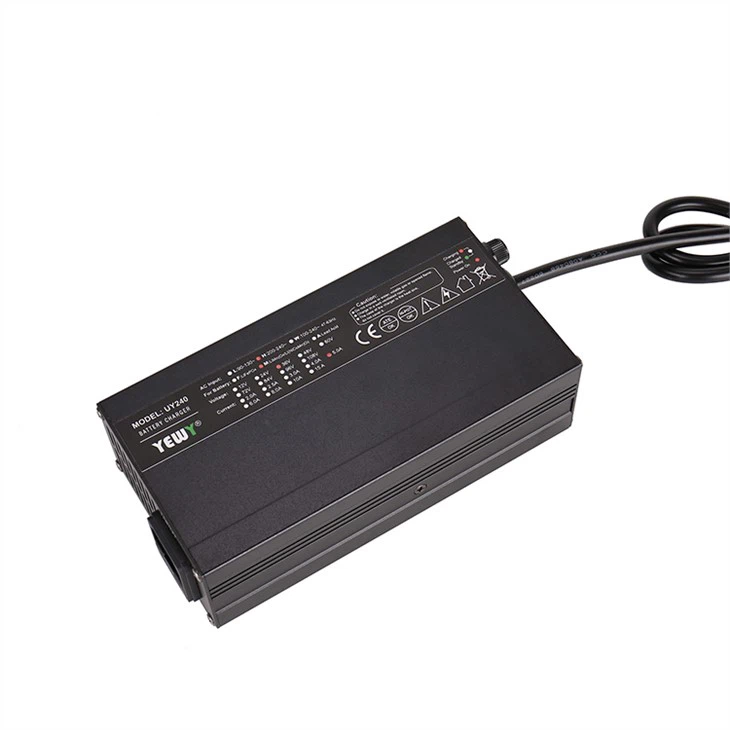
As a supplier of Electric Vehicle Battery Chargers, we offer a wide range of Quick Charge Battery Chargers and Golf Cart Battery Chargers to meet the diverse needs of our customers. Whether you are a homeowner looking for a convenient way to charge your electric bike or a commercial operator in need of high - power charging solutions, we have the right charger for you.
If you are interested in purchasing an electric vehicle battery charger or have any questions about our products, please feel free to contact us for a consultation. Our team of experts is ready to assist you in finding the best charger for your specific requirements.
References
- "Electric Vehicle Charging Infrastructure: A Guide for Local Governments." U.S. Department of Energy.
- "Single - Phase vs. Three - Phase Power Systems." Electrical Engineering Portal.
- "The Future of Electric Vehicle Charging." International Energy Agency.