

Hey there! As a supplier of Electric Vehicle Battery Chargers, I've been getting a lot of questions lately about charging EV batteries with solar power. So, I thought I'd dive into this topic and share some insights on the efficiency of charging an electric vehicle battery charger with solar power.
First off, let's talk about why solar power for EV charging is such a hot topic. Solar energy is clean, renewable, and can potentially save you a ton of money on your electricity bills. It's also a great way to reduce your carbon footprint and contribute to a more sustainable future. But how efficient is it really?
Understanding the Basics of Solar Charging
To figure out the efficiency of solar charging for EV batteries, we need to understand a few key concepts. Solar panels work by converting sunlight into electricity through a process called the photovoltaic effect. The amount of electricity they can produce depends on several factors, including the size and quality of the panels, the amount of sunlight they receive, and the angle at which they're installed.
When you use solar power to charge an EV battery charger, the electricity generated by the solar panels is first sent to an inverter. The inverter converts the direct current (DC) electricity produced by the panels into alternating current (AC) electricity, which is what most EV chargers use. From there, the AC electricity is sent to the charger, which then charges the EV battery.
Factors Affecting Solar Charging Efficiency
Now, let's take a look at some of the factors that can affect the efficiency of solar charging for EV batteries.
Solar Panel Efficiency
The efficiency of your solar panels is a major factor in how much electricity they can produce. Higher efficiency panels can convert more sunlight into electricity, which means you'll get more power for your EV charging. When choosing solar panels, look for ones with a high efficiency rating. Most modern solar panels have an efficiency rating of around 15% to 20%, but some high-end panels can reach up to 25% or more.
Sunlight Availability
The amount of sunlight your solar panels receive is another crucial factor. Obviously, more sunlight means more electricity production. If you live in an area with lots of sunny days, you'll get better results from solar charging. However, even on cloudy days, your solar panels can still produce some electricity, although the output will be significantly lower. You can also optimize the angle and orientation of your panels to maximize sunlight exposure.
Charger Efficiency
The efficiency of your EV battery charger also plays a role. Not all chargers are created equal, and some are more efficient than others. A charger with a higher efficiency rating will waste less energy during the charging process, which means more of the electricity from your solar panels will actually go into charging the battery.

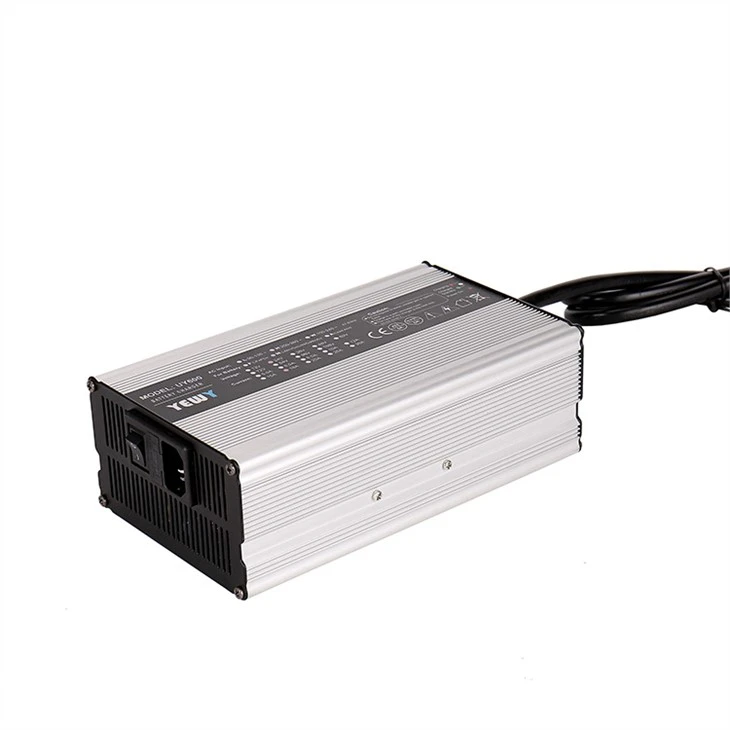
Battery Capacity and Charging Rate
The capacity of your EV battery and the charging rate you choose can also affect the efficiency of solar charging. Larger batteries will take longer to charge, and if you're using a slow charger, the process can be even more time-consuming. On the other hand, if you use a fast charger, like our Quick Charge Battery Charger, you can charge your battery more quickly, but it may also draw more power at once, which could potentially exceed the output of your solar panels.
Calculating Solar Charging Efficiency
So, how do you calculate the efficiency of solar charging for your EV? It's a bit complicated, but here's a simplified formula:
Solar Charging Efficiency = (Energy Delivered to Battery / Energy Generated by Solar Panels) x 100%
To calculate the energy delivered to the battery, you can use the charger's specifications to determine how much power it uses during the charging process. The energy generated by the solar panels can be estimated based on their efficiency rating and the amount of sunlight they receive.
For example, let's say your solar panels generate 10 kWh of electricity in a day, and your EV charger delivers 8 kWh of energy to the battery. Using the formula above, your solar charging efficiency would be:
(8 kWh / 10 kWh) x 100% = 80%
Keep in mind that this is a simplified calculation, and there are many other factors that can affect the actual efficiency, such as losses in the inverter and charger.
Real-World Examples
To give you a better idea of how solar charging works in the real world, let's look at a couple of examples.
Example 1: Residential Solar Charging
Let's say you have a home solar panel system with a capacity of 5 kW. On a sunny day, your panels might generate around 20 kWh of electricity. If you have an EV with a 60 kWh battery and you use a Level 2 charger with an efficiency of 90%, it would take about 3.3 hours to fully charge your battery using the solar power generated by your panels. However, if you have a cloudy day, the amount of electricity generated by your panels might be significantly lower, which could extend the charging time.
Example 2: Commercial Solar Charging
Now, let's consider a commercial EV charging station that uses solar power. A large commercial solar panel system with a capacity of 50 kW could generate around 200 kWh of electricity on a sunny day. If the charging station has multiple chargers and is serving several EVs at once, the solar power can be used to offset a significant portion of the electricity costs.
Benefits of Solar Charging for EVs
There are several benefits to using solar power to charge your EV battery charger:
Cost Savings
Using solar power can save you money on your electricity bills. Once you've installed your solar panel system, the electricity it generates is essentially free. Over time, the savings can really add up, especially if you do a lot of driving.
Environmental Benefits
Solar energy is a clean, renewable energy source, which means it produces zero emissions. By using solar power to charge your EV, you're reducing your carbon footprint and helping to protect the environment.
Energy Independence
With a solar panel system, you're less reliant on the grid for your electricity needs. This can be especially useful during power outages or in areas with unreliable electricity supply.
Our Electric Vehicle Battery Chargers
As a supplier of Electric Vehicle Battery Chargers, we offer a wide range of products to meet your needs. Whether you're looking for a Quick Charge Battery Charger for fast charging on the go, a 48v Golf Cart Battery Charger for your golf cart, or a Motorcycle Battery Charger for your bike, we've got you covered.
Our chargers are designed to be efficient, reliable, and easy to use. They're also compatible with most EVs on the market, so you can be sure they'll work with your vehicle.
Conclusion
In conclusion, using solar power to charge an electric vehicle battery charger can be a highly efficient and cost-effective way to power your EV. While there are some factors that can affect the efficiency of solar charging, such as solar panel efficiency, sunlight availability, and charger efficiency, with the right setup, you can achieve great results.
If you're interested in learning more about our Electric Vehicle Battery Chargers or have any questions about solar charging, feel free to reach out to us. We'd be happy to help you find the right solution for your needs. Let's work together to make the switch to clean, renewable energy for your EV charging!
References
- "Solar Power for Electric Vehicles: A Comprehensive Guide." Solar Energy Industries Association.
- "Understanding EV Charging: Efficiency and Beyond." Electric Vehicle Charging Association.
- "Solar Panel Efficiency: What You Need to Know." National Renewable Energy Laboratory.