

The charging process of an electric scooter battery is a critical aspect that significantly impacts the battery's performance, lifespan, and overall safety. One of the key factors affecting this process is the temperature at which the battery is charged. As a leading supplier of Electric Scooter Battery Charger, we understand the importance of providing accurate information about the maximum charging temperature to ensure optimal use of our products.
The Science Behind Temperature and Battery Charging
To comprehend why temperature matters during battery charging, we need to delve into the fundamental chemistry of the electric scooter batteries. Most electric scooters are powered by lithium-ion batteries, which are favored for their high energy density, low self - discharge rate, and long cycle life. During the charging process, lithium ions move from the cathode to the anode through the electrolyte.
However, temperature can disrupt this ion - transfer process. At high temperatures, the chemical reactions within the battery accelerate. This can lead to increased self - discharge, which means the battery loses its charge more quickly. Moreover, excessive heat can cause the electrolyte to break down, which degrades the battery's performance over time. It can also lead to the formation of lithium plating on the anode, which not only reduces the battery's capacity but can also pose a safety risk, such as short - circuits or even battery fires.
Determining the Maximum Charging Temperature
The maximum temperature for charging an electric scooter battery with a charger typically falls between 45°C to 50°C (113°F to 122°F). These values are based on industry standards and the design specifications of lithium - ion batteries. Manufacturers set these limits to ensure the safety and longevity of the battery.
Exceeding the maximum charging temperature can lead to several adverse effects. Firstly, as mentioned earlier, the chemical reactions in the battery become too rapid, causing the battery to age faster. A battery that is frequently charged at high temperatures may lose its capacity much quicker than one charged within the recommended temperature range. For example, a battery that is supposed to last for 500 charge - discharge cycles might only last for 200 cycles if it is regularly charged at temperatures above the maximum limit.

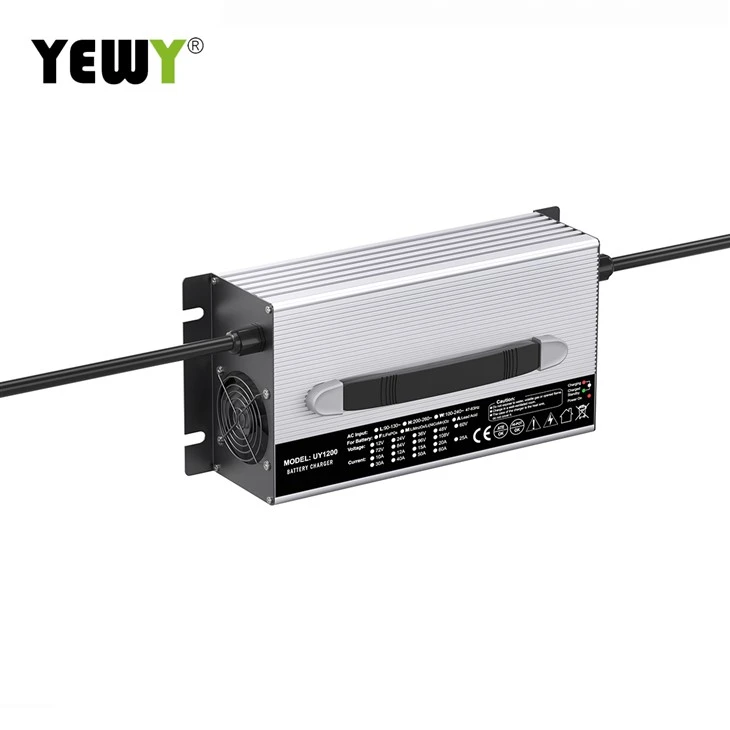
Secondly, the charger itself can be damaged. Chargers are designed to operate within a certain temperature range. When the ambient temperature is too high, the charger's internal components may overheat, leading to malfunctions or even permanent damage. This can not only render the charger useless but also pose a safety hazard.
Impact of High - Temperature Charging on Battery Warranty
Most battery manufacturers have strict warranty policies regarding temperature during charging. If a battery fails due to charging at temperatures above the recommended maximum, the manufacturer may void the warranty. This means that users will have to bear the full cost of replacing the battery, which can be quite expensive.
As a responsible Electric Scooter Battery Charger supplier, we always recommend our customers to adhere to the temperature guidelines provided by the battery manufacturer. This not only protects the battery but also ensures that the charger operates efficiently and safely.
Tips for Charging at Appropriate Temperatures
To ensure that the battery is charged within the safe temperature range, here are some practical tips:
- Choose the Right Location: Avoid charging the electric scooter in direct sunlight or in a hot room. Instead, find a cool, well - ventilated area. For example, a basement or a shaded garage can be ideal locations for charging.
- Monitor the Temperature: Use a thermometer to check the ambient temperature before charging. If the temperature is close to or above the maximum limit, wait until it cools down.
- Avoid Charging After Intense Use: If you have been riding the electric scooter vigorously, the battery will be hot. Let the battery cool down for at least 30 minutes to an hour before charging it.
Other Charger Options in Our Product Line
In addition to our Electric Scooter Battery Charger, we also offer a range of other chargers to meet different customer needs. Our 48v Golf Cart Battery Charger is designed specifically for golf carts, providing efficient and safe charging. Similarly, our Motorbike Battery Charger is tailored to the requirements of motorbike batteries.
Conclusion
Understanding the maximum temperature for charging an electric scooter battery is crucial for both the performance and safety of the battery and the charger. By adhering to the recommended temperature limits, users can extend the lifespan of their batteries, avoid voiding the warranty, and ensure the optimal operation of their electric scooters.
As a leading supplier of electric transportation battery chargers, we are committed to providing high - quality products and accurate information to our customers. If you are interested in our Electric Scooter Battery Charger or other charger products, please feel free to reach out to us for more details and to start a procurement negotiation. Our team of experts is ready to assist you in finding the most suitable charger for your needs.
References
- Chen, Z., Liu, X., & Yang, J. (2020). Thermal behavior and safety issues of lithium - ion batteries. Journal of Power Sources, 460, 228013.
- Tarascon, J. M., & Armand, M. (2001). Issues and challenges facing rechargeable lithium batteries. Nature, 414(6861), 359 - 367.
- Xiang, S., Wu, Y., & Wang, C. (2019). High - temperature performance and thermal management of lithium - ion batteries. Journal of Energy Chemistry, 35, 141 - 154.