

Hey there! So, you've found yourself in a bit of a pickle - your battery charger has stopped working. Don't worry; I've been in the battery charger supply game for a while, and I'm here to help you figure out what to do next.
First off, let's do some basic troubleshooting. The simplest things can sometimes be the culprit. Check if the charger is properly plugged into the power outlet. Sounds super obvious, but you'd be surprised how often this is the issue. Make sure the outlet is working by plugging in another device, like a lamp or a phone charger. If that device works, then the problem isn't with the outlet.
Next, take a look at the power cord of the charger. Is it frayed or damaged in any way? A damaged cord can prevent the charger from getting the power it needs. If you notice any cuts or exposed wires, it's definitely time to replace the cord. You can usually find replacement cords online or at an electronics store.
Now, let's talk about the charger itself. Is it hot to the touch? Overheating can cause a charger to stop working. This could be due to a number of reasons, like a blocked ventilation port. Chargers need to be able to dissipate heat, so if the vents are clogged with dust or debris, it can lead to overheating. Use a can of compressed air to gently blow out any dust from the vents.
If your charger has indicator lights, pay attention to them. A solid red light might mean the battery is charging, while a blinking red light could indicate a problem. Check the user manual that came with your charger to see what the different light patterns mean. If the lights aren't working at all, it could be a sign of a more serious issue.
Another thing to consider is the battery you're trying to charge. Is it compatible with the charger? Using an incompatible battery can not only damage the battery but also the charger. Make sure you're using the right charger for your battery type. For example, if you have a 12V battery, you need a 12V charger. We have a great 12V 70A Battery Charger that's perfect for many 12V batteries.
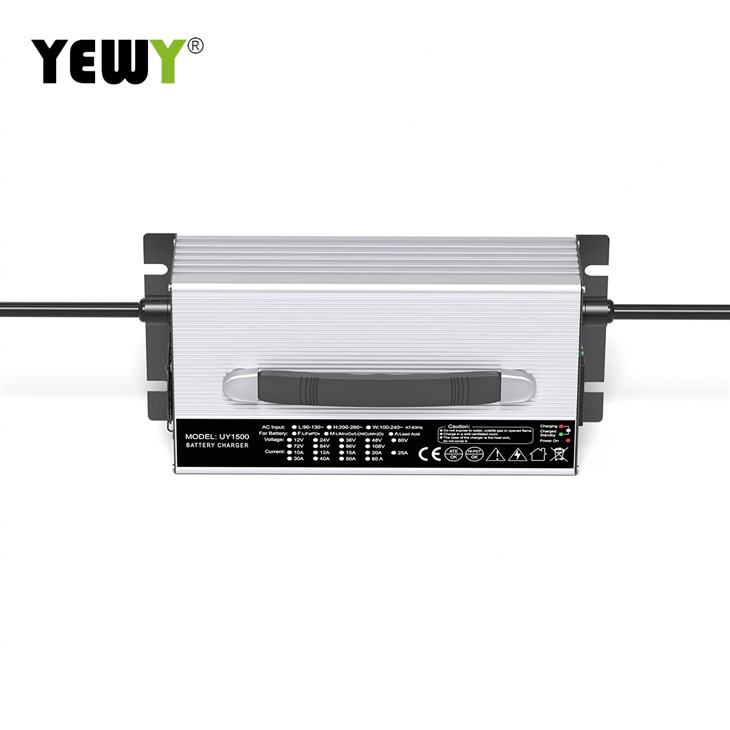

If you're using a charger for a lithium - ion battery, like a 3s Battery Charger, make sure you're following the proper charging procedures. Lithium - ion batteries are sensitive and need to be charged correctly to avoid damage. Overcharging or undercharging can cause problems with both the battery and the charger.
Sometimes, the problem could be environmental. If your charger has been exposed to water, it's likely not going to work properly. Water can short - circuit the internal components of the charger. If this is the case, you might want to consider a Waterproof Battery Chargers for future use. These chargers are designed to withstand moisture and are great for outdoor or wet environments.
If you've gone through all these steps and your charger still isn't working, it might be time to consider getting a new one. But before you do, think about your needs. What kind of batteries do you usually charge? How often do you need to charge them? If you're a professional who needs to charge multiple batteries quickly, you'll want a high - capacity charger. On the other hand, if you just need to charge your phone or a small battery occasionally, a basic charger will do.
As a battery charger supplier, I can tell you that we offer a wide range of chargers to suit different needs. Our chargers are made with high - quality materials and are designed to be reliable and efficient. Whether you're looking for a charger for your car battery, a RC battery, or a power tool battery, we've got you covered.
If you're interested in purchasing a new charger or have any questions about our products, don't hesitate to reach out. We're always happy to help you find the right charger for your needs. Just let us know what you're looking for, and we'll do our best to assist you.
In conclusion, when your battery charger stops working, start with the basics like checking the power source and the charger's physical condition. If that doesn't solve the problem, consider the battery compatibility and environmental factors. And if all else fails, it might be time to invest in a new charger. We're here to make sure you get the best charger for your situation, so don't be shy about contacting us for more information.
References:
- General knowledge from years of experience in the battery charger supply industry.
- User manuals of various battery chargers.