

As a trusted supplier of waterproof marine chargers, I often receive inquiries about the performance and suitability of our products in various environmental conditions. One question that comes up frequently is whether a waterproof marine charger can be used in cold weather. In this blog post, I'll delve into this topic, exploring the technical aspects, potential challenges, and best practices for using waterproof marine chargers in low-temperature environments.
Understanding the Basics of Waterproof Marine Chargers
Before we discuss cold weather usage, let's briefly understand what a waterproof marine charger is. These chargers are specifically designed for use in marine environments, where they are exposed to water, humidity, and salt air. They are built with robust waterproof enclosures and components that can withstand the rigors of the marine environment, ensuring reliable and safe charging for marine batteries.
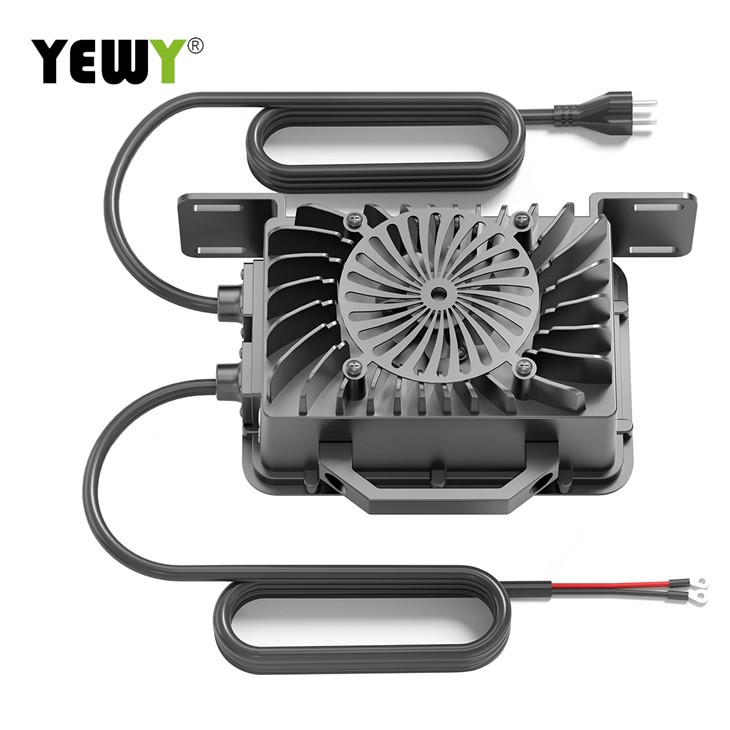
Our company offers a range of waterproof marine chargers, including the 48v Lifepo4 Battery Charger, Smart Automatic Battery Charger, and 48V Waterproof Electric Surfboard Charger. These chargers are engineered to provide efficient and stable charging, even in harsh conditions.
The Impact of Cold Weather on Chargers and Batteries
Cold weather can have a significant impact on both the charger and the battery. Here's how:

On Batteries
- Reduced Capacity: As the temperature drops, the chemical reactions inside the battery slow down, reducing its capacity. This means that the battery can store less energy and may not be able to provide the same level of performance as it does in warmer temperatures.
- Increased Internal Resistance: Cold temperatures also increase the internal resistance of the battery. This makes it more difficult for the battery to accept a charge, and it can lead to longer charging times and reduced charging efficiency.
On Chargers
- Component Performance: The electronic components in the charger can be affected by cold temperatures. For example, the performance of capacitors and resistors may change, which can impact the charger's output voltage and current stability.
- Thermal Management: Chargers rely on proper thermal management to operate efficiently. In cold weather, the charger may not be able to dissipate heat as effectively, which can lead to overheating and potential damage to the charger.
Can a Waterproof Marine Charger Be Used in Cold Weather?
The short answer is yes, a waterproof marine charger can be used in cold weather. However, there are some important considerations to keep in mind to ensure optimal performance and safety.
Compatibility and Design
- Cold-Resistant Components: Look for chargers that are designed with cold-resistant components. These components are able to maintain their performance in low temperatures, ensuring reliable charging.
- Thermal Protection: Chargers with built-in thermal protection can automatically adjust their output based on the temperature. This helps to prevent overheating in cold weather and ensures safe charging.
Charging Strategies
- Preheat the Battery: If possible, preheat the battery before charging it in cold weather. This can help to improve the battery's capacity and reduce its internal resistance, making it easier to charge.
- Use a Lower Charging Rate: In cold weather, it's recommended to use a lower charging rate to avoid overheating the charger and the battery. A lower charging rate may take longer, but it will ensure a more stable and efficient charge.
Best Practices for Using Waterproof Marine Chargers in Cold Weather
To get the most out of your waterproof marine charger in cold weather, here are some best practices to follow:
During Charging
- Keep the Charger Warm: If possible, keep the charger in a warm place during charging. This can help to maintain the charger's performance and prevent damage to its components.
- Monitor the Charging Process: Regularly monitor the charging process to ensure that the charger and the battery are operating within the normal range. If you notice any abnormal behavior, such as overheating or excessive voltage, stop the charging process immediately.
After Charging
- Store the Charger Properly: After charging, store the charger in a dry and warm place. This will help to prevent moisture from accumulating inside the charger and causing damage to its components.
- Maintain the Battery: Proper battery maintenance is essential in cold weather. Make sure to keep the battery fully charged and avoid over-discharging it, as this can reduce its lifespan.
Conclusion
In conclusion, a waterproof marine charger can be used in cold weather, but it's important to take the necessary precautions to ensure optimal performance and safety. By choosing a charger with cold-resistant components and thermal protection, following the recommended charging strategies, and implementing best practices, you can use your waterproof marine charger effectively in low-temperature environments.
If you're interested in learning more about our waterproof marine chargers or have any questions about using them in cold weather, please feel free to contact us. Our team of experts is always ready to assist you with your battery charging needs and help you find the right solution for your marine applications.
References
- Battery University: "Cold Temperature Effects on Batteries"
- IEEE Transactions on Power Electronics: "Thermal Management of Chargers in Low-Temperature Environments"