

Preventing a motorcycle battery from over - heating is crucial for its longevity and the overall performance of your motorcycle. As a supplier of Motorcycle Battery Chargers, I've encountered various scenarios related to battery over - heating and have gained in - depth knowledge on how to prevent it. In this blog, I'll share some practical tips and insights that can help you keep your motorcycle battery in optimal condition.
Understanding the Causes of Motorcycle Battery Over - heating
Before diving into prevention methods, it's essential to understand what causes a motorcycle battery to over - heat. Several factors can contribute to this issue:
Overcharging
One of the most common causes is overcharging. When a battery is charged beyond its capacity, excess energy is converted into heat. This can happen if you leave your battery on the charger for too long or if you're using a charger that doesn't have proper voltage regulation. For example, using a charger with a higher output voltage than your battery can handle will force more current into the battery, leading to over - heating.
High Ambient Temperatures
Motorcycle batteries are sensitive to the surrounding temperature. If you park your motorcycle in direct sunlight for an extended period or in an area with high ambient temperatures, the battery will absorb heat from the environment. High temperatures can accelerate the chemical reactions inside the battery, increasing the self - discharge rate and causing over - heating.
Short Circuits
A short circuit in the battery or the motorcycle's electrical system can also lead to over - heating. A short circuit occurs when there is an unintended connection between two points in the electrical circuit, allowing a large amount of current to flow. This excessive current generates heat, which can quickly damage the battery.
High Electrical Load
If you have a lot of electrical accessories installed on your motorcycle, such as high - power LED lights, a powerful sound system, or heated grips, they can put a significant load on the battery. When the battery has to supply a large amount of current to these accessories, it can over - heat, especially if the charging system is not capable of keeping up with the demand.
Prevention Strategies
Choose the Right Charger
Selecting the appropriate charger is the first step in preventing battery over - heating. As a Motorcycle Battery Charger supplier, I recommend using a charger that is specifically designed for motorcycle batteries. These chargers are usually equipped with advanced charging algorithms that can adjust the charging current and voltage according to the battery's state of charge.
For a quick and efficient charging solution, you can consider our Quick Charge Battery Charger. It is designed to charge your motorcycle battery rapidly while maintaining a safe charging process. This charger has built - in protection features such as over - charge protection, short - circuit protection, and temperature compensation, which help prevent over - heating.
Follow the Charging Instructions
When charging your motorcycle battery, it's important to follow the manufacturer's instructions carefully. Don't leave the battery on the charger overnight or for an extended period. Most modern chargers have an automatic shut - off feature that stops the charging process when the battery is fully charged. However, it's still a good practice to monitor the charging process and disconnect the charger once the battery is fully charged.
Monitor the Charging Process
Keep an eye on the battery's temperature during the charging process. If you notice that the battery is getting too hot to the touch, immediately stop the charging process and check for any issues. You can use a battery temperature sensor to monitor the temperature accurately. If the temperature exceeds the recommended range, it could indicate a problem with the charger or the battery itself.
Maintain a Proper Charging Environment
Charge your motorcycle battery in a cool, well - ventilated area. Avoid charging the battery in direct sunlight or in a confined space with poor air circulation. Good ventilation helps dissipate the heat generated during the charging process, preventing the battery from over - heating.
Check for Short Circuits Regularly
Inspect your motorcycle's electrical system regularly for signs of short circuits. Look for frayed wires, loose connections, or any other visible damage. If you suspect a short circuit, have it repaired by a professional mechanic as soon as possible. You can also use a multimeter to test the electrical system for continuity and voltage.
Reduce the Electrical Load
If you have a lot of electrical accessories on your motorcycle, consider reducing the load. Turn off any unnecessary accessories when you're not using them. For example, if you're not using the heated grips, turn them off to reduce the strain on the battery. You can also upgrade your motorcycle's charging system to handle the increased electrical load if necessary.
Store the Battery Properly
When you're not using your motorcycle for an extended period, it's important to store the battery properly. Remove the battery from the motorcycle and store it in a cool, dry place. If possible, charge the battery to about 80% of its capacity before storing it. This will help prevent self - discharge and over - heating during storage.
Use a Battery Insulator
A battery insulator can help protect the battery from high ambient temperatures. It acts as a barrier between the battery and the environment, reducing the amount of heat absorbed by the battery. You can purchase a battery insulator from a motorcycle parts store or make one yourself using insulating materials.
Conclusion
Preventing a motorcycle battery from over - heating is essential for its performance and lifespan. By understanding the causes of over - heating and implementing the prevention strategies mentioned above, you can ensure that your motorcycle battery remains in good condition. As a Motorcycle Battery Charger supplier, I'm committed to providing high - quality chargers that can help you charge your battery safely and efficiently.
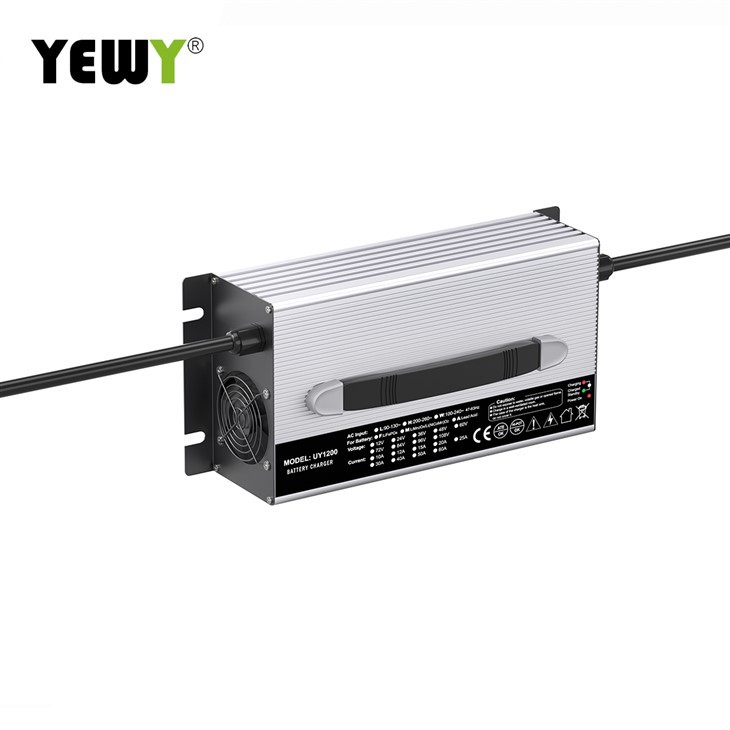
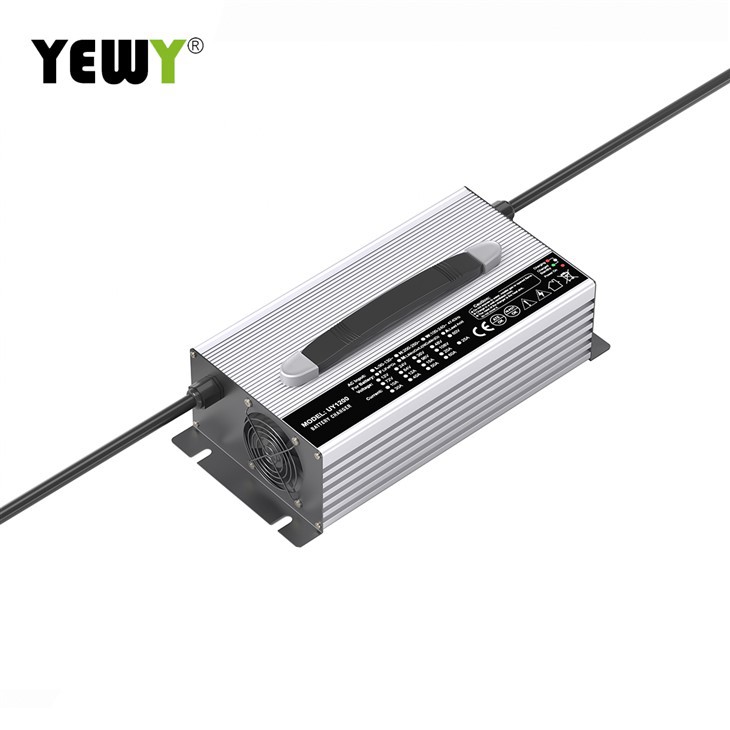
If you're interested in purchasing a charger for your motorcycle battery, such as our Quick Charge Battery Charger, Golf Cart Battery Charger, or Electric Scooter Battery Charger, please feel free to contact us for more information and to discuss your specific requirements. We're here to help you keep your battery in top shape and ensure a smooth riding experience.
References
- Battery University: A comprehensive resource for battery knowledge, including information on battery charging, temperature effects, and maintenance.
- Motorcycle Manufacturer's Manuals: Provide detailed information on the motorcycle's electrical system and battery maintenance.
- Electrical Engineering Textbooks: Offer in - depth knowledge on electrical circuits, short circuits, and the effects of high electrical loads on batteries.